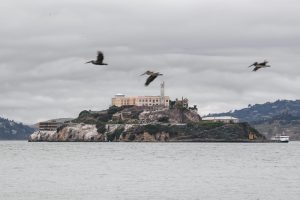
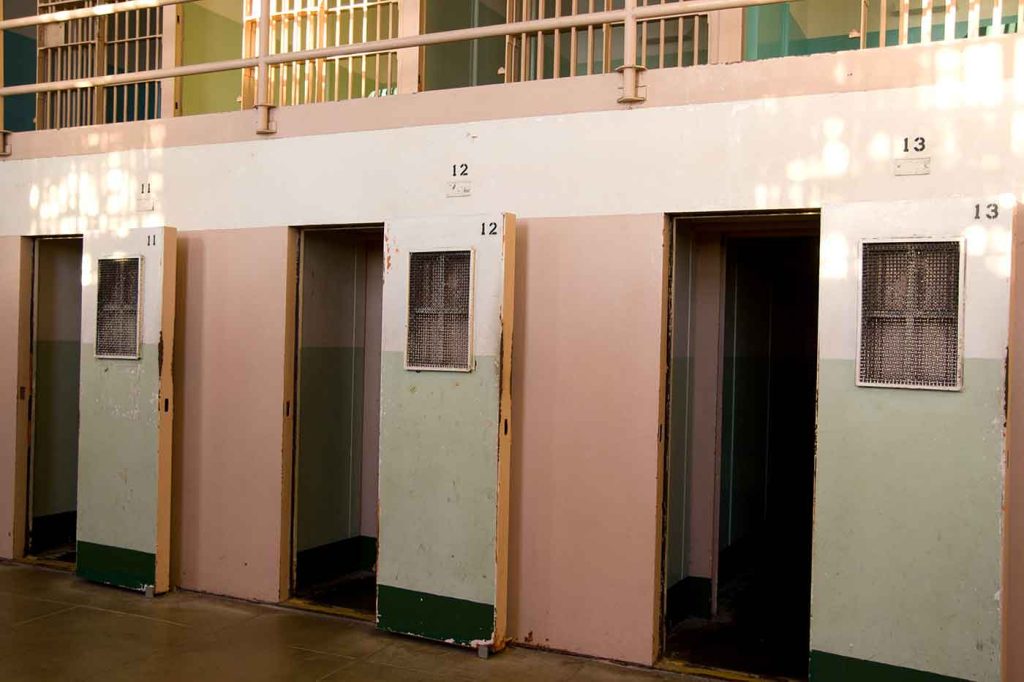
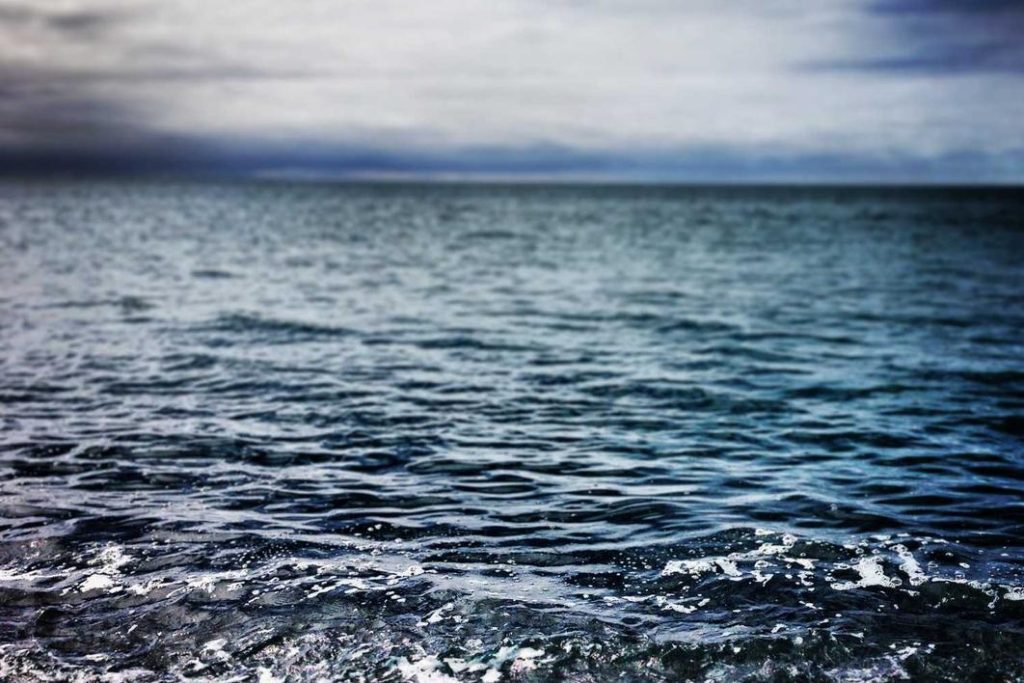
Before it became America’s most famous prison, Alcatraz Island played a vital role in keeping ships safe. In fact, Alcatraz was home to the first operational lighthouse on the West Coast—a beacon that helped shape San Francisco’s rise as a major port city.
Here’s the fascinating story behind the light that came long before the cellhouse.
Why San Francisco Bay Needed a Lighthouse
In the mid-1800s, San Francisco Bay was booming:
- The Gold Rush brought thousands of ships
- Fog and rocky shorelines caused frequent wrecks
- Navigation charts were limited and unreliable
Sailors entering the bay needed a reliable guide. Alcatraz, sitting at the entrance to the harbor, was the perfect location.
The Birth of the Alcatraz Lighthouse (1854)
In 1854, the U.S. government constructed the Alcatraz Lighthouse, making it:
- ✅ The first lighthouse on the Pacific Coast
- ✅ One of California’s earliest federal structures
- ✅ A critical safety system for merchant and military ships
Early Features:
- Powered by whale oil
- Used a Fresnel lens (advanced for its time)
- Visible for miles in clear weather
At night, this light was often the only reliable guide into San Francisco.
Upgrades and Expansion (1900s)
As ship traffic increased, the original lighthouse needed improvements.
Major Updates:
- 1909: Rebuilt as a taller concrete tower
- Electrification replaced oil lamps
- Improved optics for stronger visibility
These upgrades kept the lighthouse effective even as steamships and naval vessels replaced sailing ships.
Lighthouse + Military Fortress
Before Alcatraz was a prison, it served as a military fort and detention center.
During this era, the lighthouse operated alongside:
- Coastal defense cannons
- Army barracks
- Military prisons
Lighthouse keepers often lived on the island with their families, creating a small community long before inmates arrived.
Life After the Prison Opened (1934–1963)
When Alcatraz became a federal penitentiary in 1934, the lighthouse didn’t disappear—it adapted.
During the Prison Years:
- Continued guiding ships
- Maintained by prison staff
- Provided navigation safety for supply boats and ferries
Even while notorious inmates like Al Capone were locked inside, the light kept shining.
Fog, Weather, and Maritime Challenges
San Francisco is famous for its fog—and that made the lighthouse essential.
On many nights:
- Visibility dropped to near zero
- Ships relied entirely on coastal lights
- Lighthouse beams cut through thick marine layers
Combined with foghorns around the bay, Alcatraz became part of a larger safety network that saved countless lives.
Preservation Today
Today, the lighthouse still stands as part of the Golden Gate National Recreation Area.
Although automated now, it remains:
- One of the oldest operating lights on the West Coast
- A symbol of Alcatraz’s pre-prison history
- A reminder of San Francisco’s maritime roots
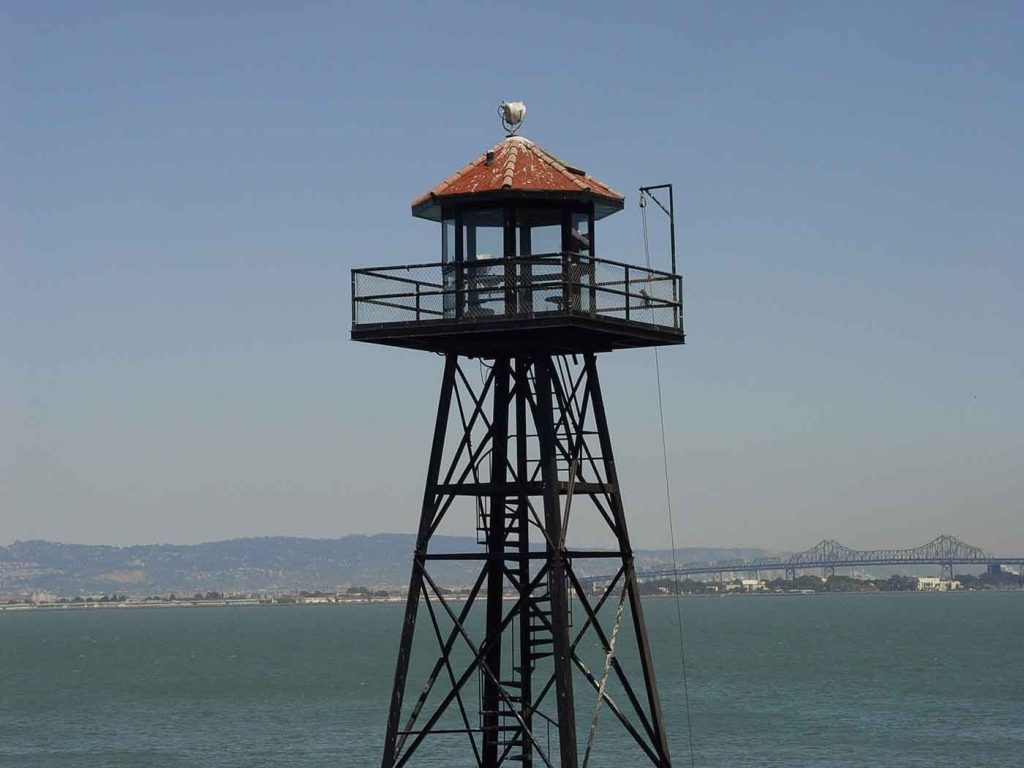
Visitors can still see the tower during tours—a quiet witness to over 170 years of bay history.
Why This Lighthouse Matters
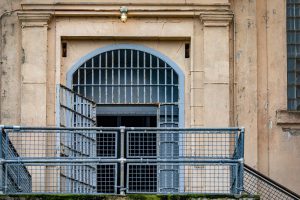
Most people associate Alcatraz with bars and cells. But the lighthouse tells a different story.
It represents:
✔ Westward expansion
✔ Gold Rush commerce
✔ Early maritime safety
✔ Technological progress
✔ Life before incarceration
Long before “The Rock” became infamous, it was a lifeline for sailors.
⭐ Fun Facts
- 🔹 The original lighthouse was built just 5 years after California became a state
- 🔹 Keepers once climbed the tower daily to clean lenses
- 🔹 It’s one of the few U.S. lighthouses located on a former prison island
- 🔹 The light is still active today (fully automated)