What Really Changed Since the Prison Closed
From housing America’s most feared criminals to welcoming millions of curious visitors, Alcatraz Island has undergone a dramatic transformation over the past 60 years. When the prison officially closed in 1963, few could have predicted that this isolated rock in San Francisco Bay would become one of the country’s most visited national landmarks.
In this post, we’ll take you through Alcatraz then and now—highlighting how the island has changed from a place of punishment to a symbol of reflection, resilience, and historical preservation.
Then: The Rock as a Maximum-Security Prison
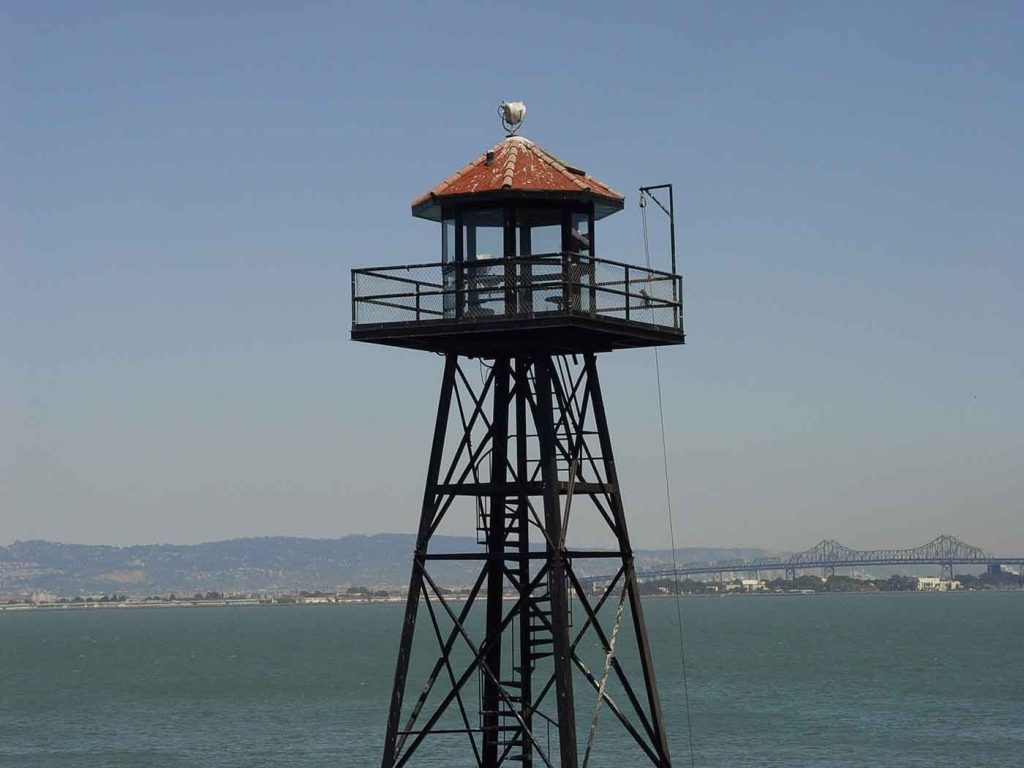
For nearly 30 years, Alcatraz Federal Penitentiary operated as the last stop for America’s most dangerous criminals. Designed to be “escape-proof,” it was a fortress of concrete and steel surrounded by frigid waters and strong currents.
Some of its most infamous inmates included:
- Al Capone, the legendary Chicago mob boss
- George “Machine Gun” Kelly, a notorious kidnapper
- Robert Stroud, the so-called “Birdman of Alcatraz”
- Alvin Karpis, the only Public Enemy #1 ever captured by J. Edgar Hoover himself
Guards enforced strict rules, isolation was routine, and escape was considered impossible—though 14 attempts were made.
Now: A National Park and Cultural Landmark
Since its closure as a prison, Alcatraz has been reborn as part of the Golden Gate National Recreation Area, operated by the National Park Service. Today, visitors from around the world board ferries from Pier 33 to explore the island’s layered past.
What you’ll see now:
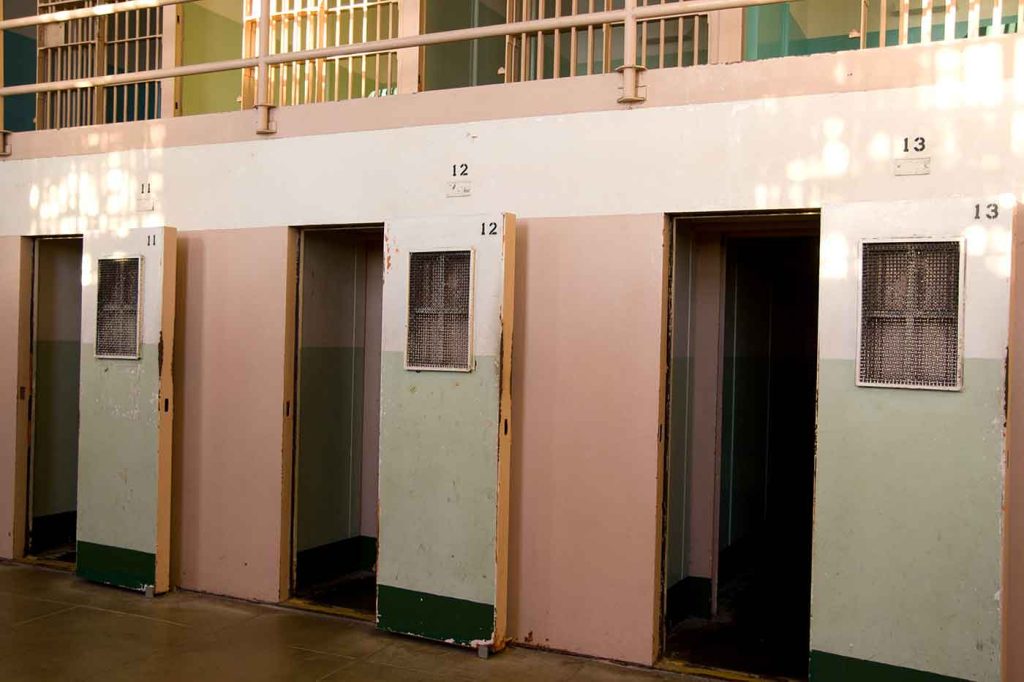
- Restored prison cell blocks open for self-guided tours
- The hauntingly powerful “Doing Time” audio tour
- Ruins of the Warden’s house and guard barracks
- Seasonal art exhibits and rotating historical displays
- Bird sanctuaries and native gardens flourishing around the island
Alcatraz is no longer a place of confinement—it’s a place of learning and remembrance.
What Remains from the Prison Era?
Despite decades of weathering and natural erosion, much of Alcatraz’s original prison structure remains intact. You can still walk through:
- The cell blocks, including solitary confinement (D Block)
- The dining hall, now echoing only with silence
- The infirmary and hospital wing, where eerie remnants remain
- The recreation yard, still surrounded by fencing and steep cliffs
Thanks to careful preservation efforts, visitors get an authentic sense of what life was like “doing time on the Rock.”
Alcatraz Today: A Living Museum
Alcatraz isn’t frozen in time. The island continues to evolve, hosting:
- Ranger-led talks and storytelling sessions
- Temporary art installations that explore themes of justice, freedom, and incarceration
- Events recognizing the Native American occupation of 1969–71, a pivotal moment in civil rights history
It’s more than just a relic—it’s a living museum that honors multiple eras of American history.
Then vs. Now: What Has Changed the Most?
| Feature | Then (Pre-1963) | Now (Present Day) |
|---|---|---|
| Purpose | Federal Prison | National Historic Site & Tourist Venue |
| Inmate Population | 250–300 hardened criminals | 1.7+ million visitors annually |
| Accessibility | Isolated & restricted | Daily ferries from Pier 33 |
| Main Attractions | Security, isolation, control | Education, storytelling, preservation |
| Wildlife | Sparse due to human activity | Bird sanctuary and native plants thrive |
Why Visiting Alcatraz Now Is Worth It
Walking through Alcatraz today is about more than just seeing a prison—it’s about connecting with powerful stories of endurance, transformation, and the human spirit. Whether you’re into true crime, U.S. history, or incredible views of the San Francisco Bay, Alcatraz tours offer an experience like no other.
You’ll leave with a deeper understanding of the people who lived—and sometimes tried to escape—within its walls, as well as those who fought to give it a second life.
Plan your visit today and explore Alcatraz then and now—where the echoes of the past meet the insight of the present.